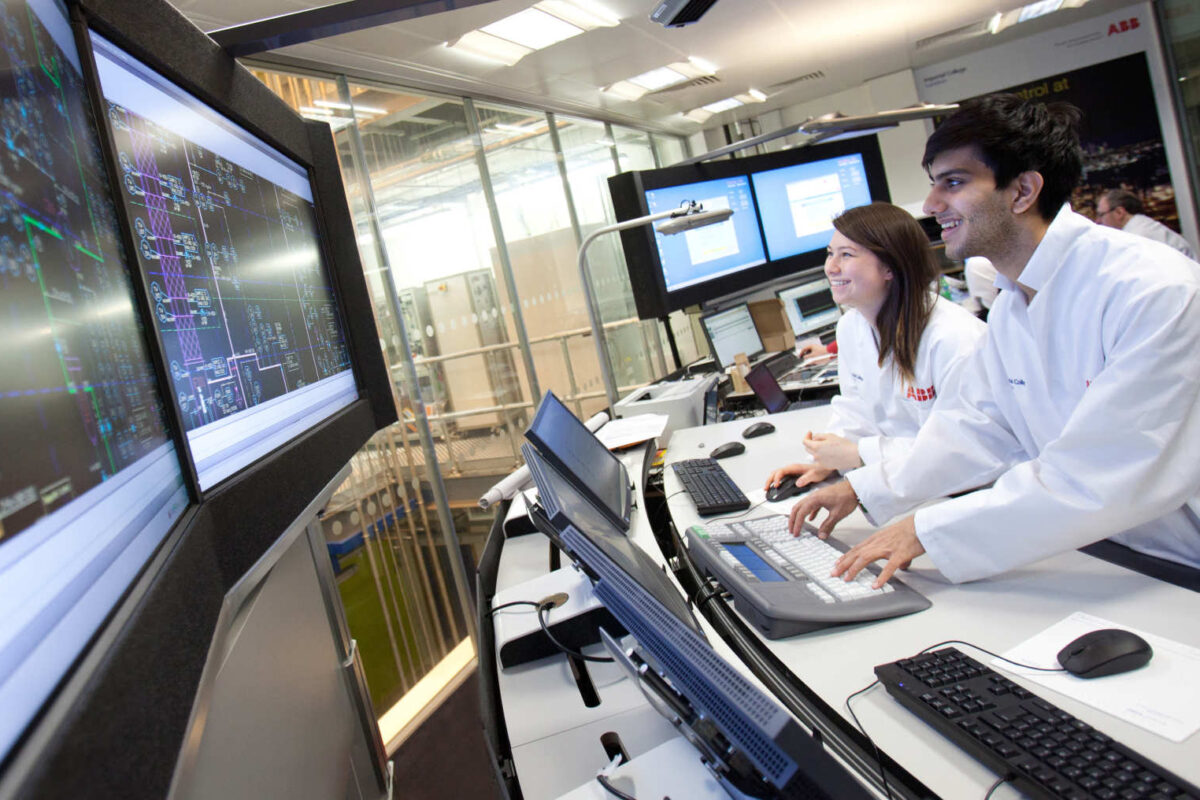
The manufacturing industry is undergoing digital transformation, driven by advances in data, machine learning, and artificial intelligence. To remain competitive, Process Systems Engineering (PSE) must adapt by leveraging these tools for accurate process modeling, system analysis, and optimization while supporting sustainability and circular economy principles.
Process modeling remains fundamental to PSE for understanding complex systems. However, integrating data across scales and ensuring appropriate levels of inclusion is essential for comprehensive process understanding. Life cycle assessment (LCA) and technoeconomic analysis (TEA) are critical complementary tools, yet optimization models help identify optimal conditions. As model complexity increases, so does computational demand, making uncertainty quantification (UQ) essential for successful implementation and managing data uncertainty.
The National Academies have identified key global challenges including decarbonizing energy systems and advancing circular economies. These priorities drive carbon and waste management, while integrated biorefineries utilize biomass components alongside optimization frameworks that account for technology readiness levels (TRL). Addressing the environmental impact of plastic waste requires integrated technological solutions with a dual focus on economic viability and environmental footprint, leveraging LCA and technoeconomic analysis.
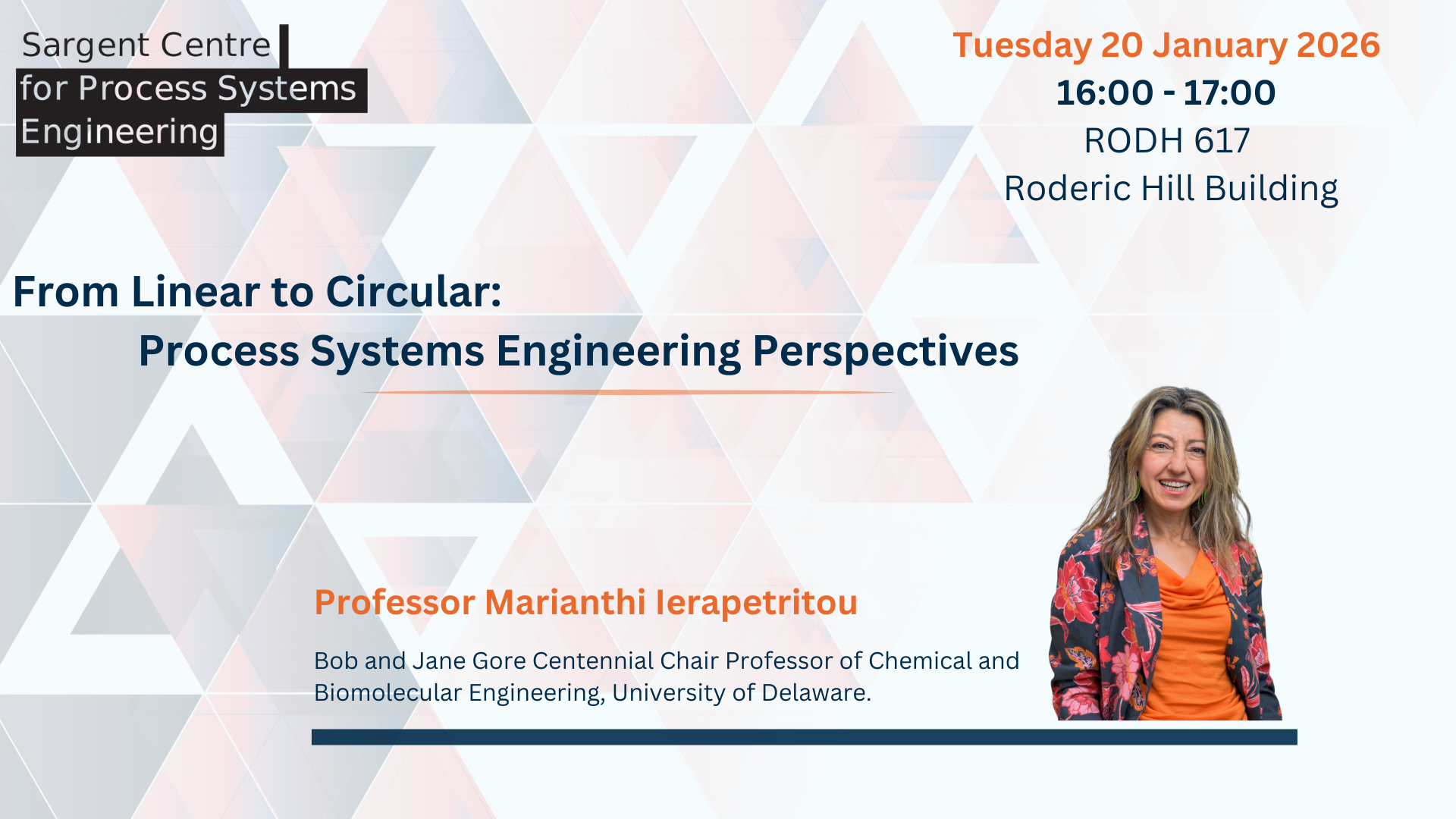
In this talk, we will discuss our group’s work in developing these tools and their application toward sustainable chemical production.